Loading...
Contents
Why Freshers Fail Interviews Even After Studying Well (And How to Fix It)
Mar 28, 20261 min readUpdated Oct 4, 2026

You prepared for the interview. You revised concepts, watched videos, and even searched for common interview questions. But when the interview ended, you walked out with disappointment.
This is one of the most common and painful experiences freshers face. It feels unfair, confusing, and discouraging. Many freshers start doubting their abilities or intelligence after one or two rejections.
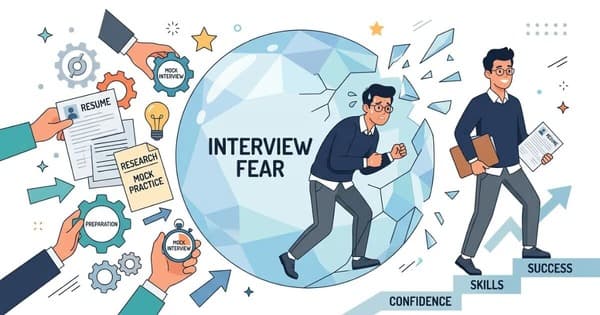
The truth is, most freshers don’t fail interviews because they didn’t study enough. They fail because interviews test skills that traditional study doesn't allow. Understanding this difference is the first step toward fixing the problem.
In this article you will get to know about why fresher fails even after studying.
FREE TO USE
25K+ INTERVIEWS4.8★ RATING68% IMPROVEMENT
Crack Your Dream Job
Real Interviews. Real Pressure. Practice until it feels easy.
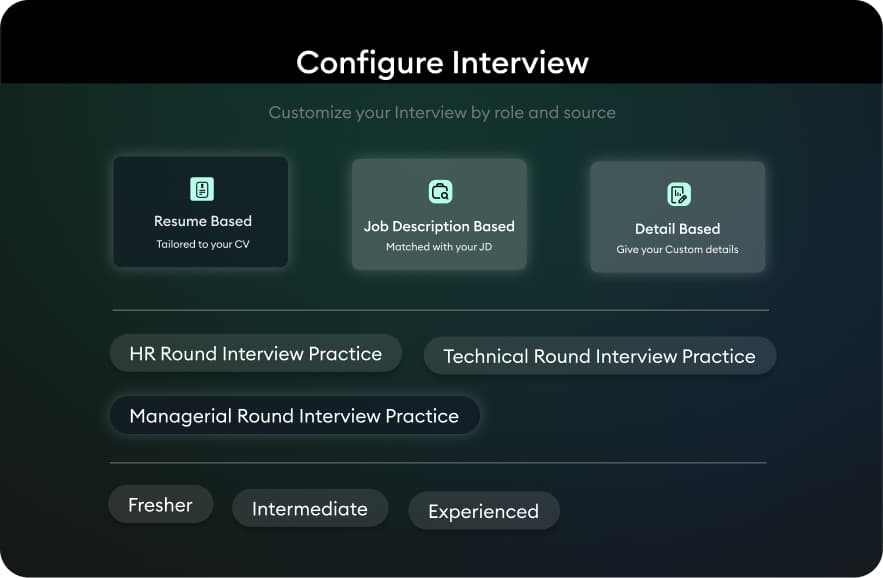
- Seamless Interview Experience
- Resume & JD Questions
- Instant Personalized Feedback
Difference Between Studying Well and Interview-Ready
One of the biggest misunderstandings among freshers is that studying theory is enough. Studying focuses on memorizing concepts, understanding definitions, and solving written problems.
But, interviews focus on:
- 1Explaining ideas clearly
- 2Applying knowledge in real situations
- 3Communicating under pressure
- 4Showing confidence and willingness to learn
An interview is a conversation with evaluation. Many freshers prepare for interviews like they are studying for a theory exam. But interviews demand clear speaking and well-structured, meaningful responses. This gap is the root cause of most interview failures.
How Can Freshers Prepare Smarter for Interviews?

Effective job interview preparation for freshers requires a shift in approach. Studying concepts is important, but it should be balanced with communication practice.