Loading...
how to kick MR Ayush
test
Mar 8, 202616 min readUpdated Aug 6, 2026
s was... debatable. Thankfully, AI agents have come a long way since then. But are they ready to throw the ultimate house party? Probably not.
AI Agents: Beyond the Hype
Forget the sci-fi fantasies of sentient robots; most AI agents today are focused on automating specific tasks. Think of them as highly specialized, incredibly efficient virtual interns. Gartner predicts that by 2025, 70% of organizations will be using AI agents to improve customer service. That's a lot of virtual interns!
One example is a customer service bot that can instantly answer FAQs and route complex problems to a human agent. This is like having a super-efficient receptionist who never needs a coffee break. Another interesting trend is the use of AI agents in healthcare to manage patient scheduling and information requests. It's like having a personal digital nurse who never forgets your appointments.
The Agent's Apprentice: Navigating Limitations
While AI agents are amazing at automating tasks, they aren't perfect. They struggle with nuance, context, and anything slightly outside their programming. A recent study revealed that 40% of AI agent interactions still require human intervention. Basically, they are great at following instructions, but not quite at improvising.
Think of it like this: AI agents are like highly trained dogs—they're good at fetch, but try asking them to write a sonnet. You'll get a lot of confused panting. We're still in the 'fetch' stage of AI agent development, but imagine the poetic possibilities...
The Future is (Probably) Automated
We predict that the next 5 years will see an explosion in specialized AI agents across various industries. These agents will move beyond simple task automation to become more integrated and collaborative tools. Think smarter virtual assistants, more precise medical diagnosis tools, and even personalized learning companions.
The real challenge will be to design agents that are truly user-friendly and ethically responsible, avoiding the pitfalls of bias and privacy violations. We also need to address the job displacement concerns that accompany such rapid automation. This is not a case of robots taking over the world, but more of robots taking over some jobs, possibly creating new roles along the way.
The future of work will require humans to collaborate and work alongside AI agents. This requires upskilling and adaptability, which is crucial for the future of every worker.
Conclusion
AI agents are here to stay, whether we like it or not. While the sentient robot butler is still a fantasy, the practical applications are already transforming industries. Let's embrace the change (and maybe teach those AI agents to make better coffee).
This blog was written by a human (mostly).

More Blogs
Mar 28, 2026
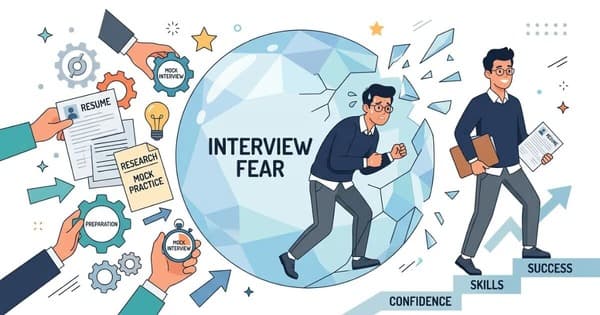
Why Freshers Fail Interviews Even After Studying Well (And How to Fix It)
1 min read
Mar 25, 2026
Website Essentials How to use AI to write blog posts—and should you?
44 min read